
-
Understanding the Doctrine of Corporate Veil: Protection or Loophole?
The Doctrine of Corporate Veil separates a company’s legal identity from that of its shareholders. It protects individuals from personal liability for the company’s actions, limiting exposure to the extent of their investment. However, this protection is not absolute, and Indian courts have often intervened when the doctrine is misused. The real question is: does…
-
Recent Changes and Developments in the Indian Arbitration Scenario
The Arbitration and Conciliation Act, 1996 (the “1996 Act”), which became effective on January 25, 1996, was enacted to establish a comprehensive legislative framework for international commercial arbitration, domestic arbitration, and the enforcement of foreign arbitral awards. The 1996 Act draws its foundations from the UNCITRAL Model Law on International Commercial Arbitration, which was adopted…
-

The Insolvency and Bankruptcy Code at Play: Jet Airways’ Legal Battle for Survival
Jet Airways, once India’s premier full-service airline, was a symbol of success in the aviation industry. However, by 2019, financial distress caused by mounting debts, increasing competition, and mismanagement had pushed the airline to the brink of collapse. This financial turmoil led to the grounding of Jet Airways, leaving thousands of employees, creditors, and passengers…
-

Corporate Social Responsibility (CSR) in India
“Corporate Social Responsibility (CSR) in India, formalized under the Companies Act, 2013, mandates certain businesses to undertake initiatives that contribute positively to society and the environment. CSR encompasses a range of activities, including poverty alleviation, education, social welfare, environmental sustainability, and cultural preservation, as listed in Schedule VII of the Act. Companies are obligated to…
-
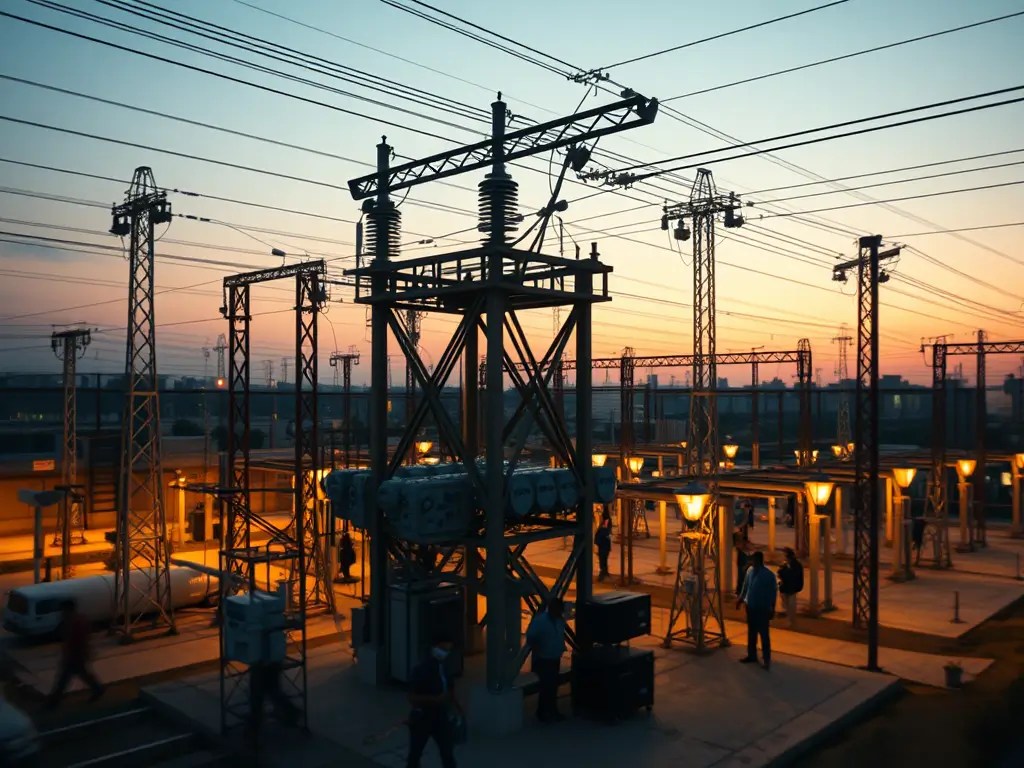
Delicensing of Electricity Distribution Sector
“Delicensing of Electricity Distribution Sector” addresses the challenges and reforms needed for India’s electricity distribution sector, particularly focusing on delicensing and the introduction of competition. Despite successes in generation and transmission through private sector involvement, distribution remains problematic due to state monopolies, operational inefficiencies, and financial instability among discoms (distribution companies). The Electricity Act of…

